How Chiropractic Care Supports Your Daily Movement and Comfort
Limited mobility doesn’t always hit all at once. Sometimes, it starts with subtle stiffness in your hips after sitting too long or a twinge in your lower back when tying your shoes. If you’re dealing with daily discomfort or finding it harder to move with ease, those signs often trace back to how efficiently your body is working as a system. Chiropractic care, especially in a focused performance-based setting, offers more than temporary relief. It helps restore functional movement patterns, improve joint mechanics, and support your body’s ability to move without pain.
At Propel Sports Physical Therapy, we focus on strategic treatment that addresses the root cause of restrictions and discomfort. In this article, we’ll explore:
- What chiropractic care involves
- How adjustments support mobility and movement efficiency
- Which daily activities benefit most from care
- How to measure progress over time
Understanding Chiropractic Care
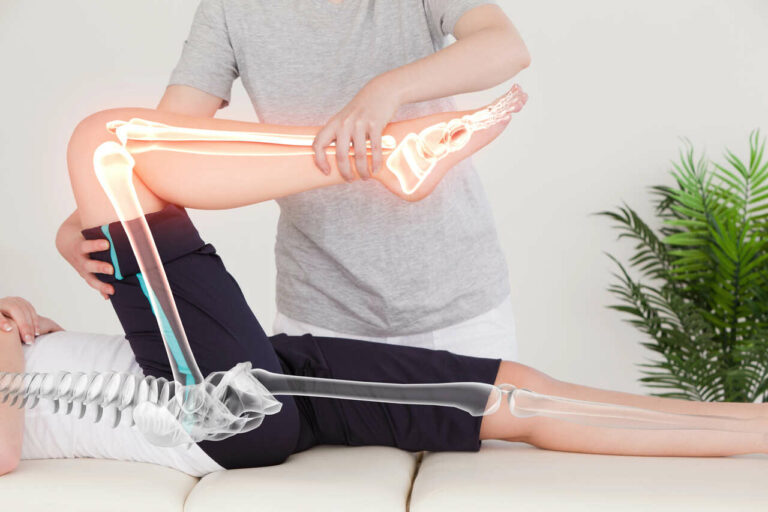
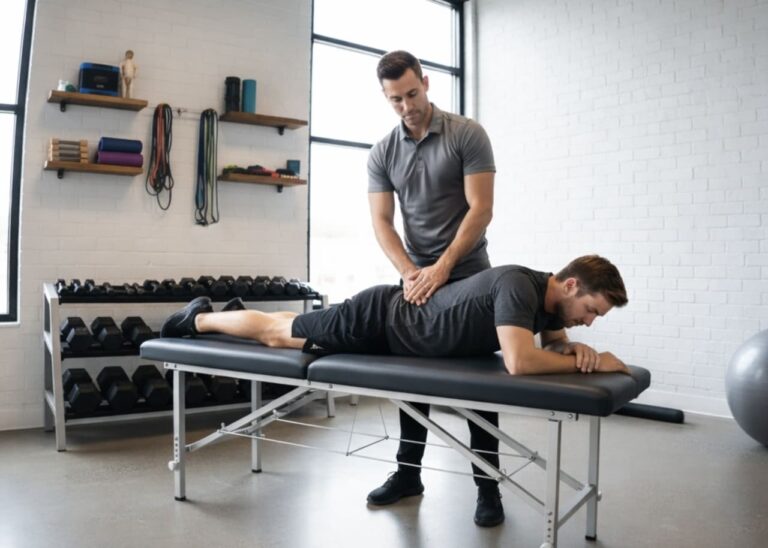
Chiropractic care is a hands-on, non-invasive approach rooted in restoring proper function within the musculoskeletal system, particularly the spine and joints. The goal is not only to ease discomfort but also to support how you move during daily tasks, training, or recovery.
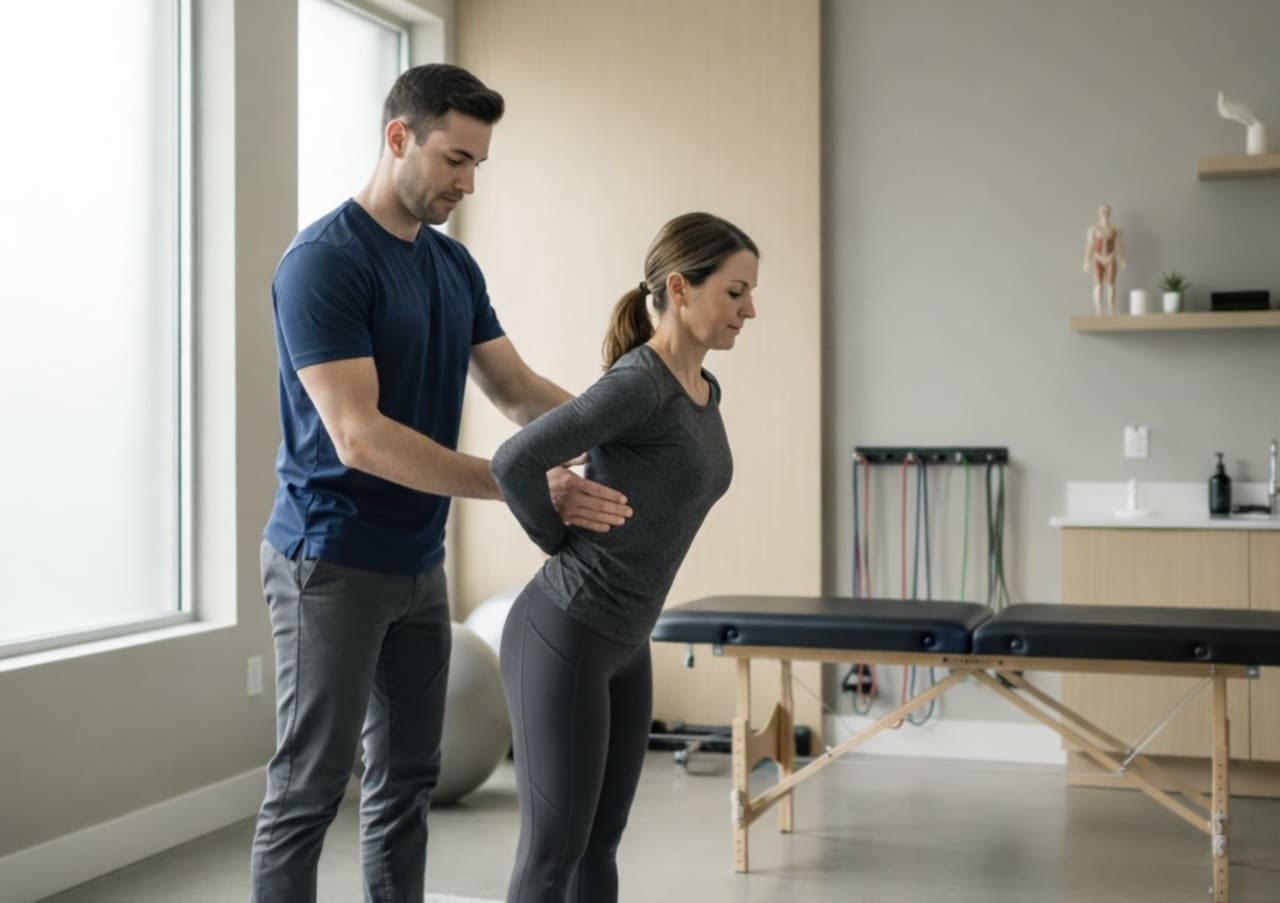
Using biomechanical assessments and movement screenings, chiropractors address limitations at their source. Adjustments are one of the most recognized tools. These controlled, targeted forces help restore joint motion and reduce soft tissue tension. Other techniques might include soft tissue therapy, exercise prescriptions, and movement retraining.
The Role of Chiropractic in Improving Functional Movement
Your body is built to move as an integrated system. When one part is restricted—whether due to injury, muscle imbalance, or joint dysfunction—it affects the rest of your movement chain. Functional movement hinges on stability, strength, and mobility in balance.
Evidence-backed research shows that spinal manipulation can improve range of motion, reduce muscle tension, and support neuromuscular control. According to the National Institutes of Health, spinal adjustments may lead to changes in central nervous system function, which can enhance coordination and reduce perceived pain. Another study from NIH suggests that chiropractic care helps restore sensorimotor integration—key for stable, efficient movement.
In practice, this means chiropractic care doesn’t only focus on “cracking backs.” It’s about improving your body’s ability to move with less effort and more control, from walking up stairs to getting through a workout plan without setbacks.
Chiropractic Interventions for Everyday Comfort and Mobility
Mobility challenges aren’t limited to athletes. Desk workers, parents, tradespeople—everyone depends on functional movement for daily life. Here are some common tasks affected by poor mobility, and how chiropractic care supports improvement:
| Daily Activity | Common Issue | Chiropractic Focus |
| Sitting at a desk | Hip/back stiffness, neck strain | Postural alignment, spinal mobility |
| Bending or lifting | Lower back pain, poor form | Lumbar mobility, core stability support |
| Walking/stairs | Knee or hip restrictions | Pelvic alignment, joint tracking |
| Reaching overhead | Shoulder tension, limited range | Thoracic mobility, scapular control |
By targeting these movement inefficiencies, care becomes functional—not limited to pain reduction. And when combined with personalized rehab or performance training, the impact compounds. If you’re considering a chiropractic care plan tailored to daily function, we’re here to assess and help build a strategy that fits your needs.
Measurable Progress: Tracking Improvements in Mobility
Mobility gains need to be measurable to be meaningful. At Propel Sports Physical Therapy, every care plan starts with a movement baseline. This could include joint-specific range, balance, gait assessment, or strength tests depending on your primary limitation.
As treatment progresses, outcomes are regularly reassessed. You’ll feel changes, yes, but you’ll also see them quantifiably—more pain-free range of motion, better coordination, faster recovery. Studies like those from the Southern California University of Health Sciences confirm that people often report better function and fewer limits with consistent chiropractic care integrated into their movement plans.
This also supports long-term outcomes. The more efficiently you move, the more resilient your body becomes to injury recurrence or discomfort.
Frequently Asked Questions about Chiropractic and Mobility
Can chiropractic adjustments improve my ability to perform daily tasks?
Yes. Adjustments restore joint mobility and improve muscle activation patterns. This often translates into easier, low-effort movements in common tasks like walking, standing, or bending.
How often do I need to see a chiropractor to notice improvements in mobility?
Frequency depends on your baseline and goals. Many people feel an initial shift within a few sessions; others may need a longer recovery roadmap. Your chiropractor should reassess regularly and adjust the plan based on your progress.
What can I expect from my first chiropractic session for mobility enhancement?
Your initial session will involve a detailed assessment of posture, joint movement, and functional limitations. From there, your chiropractor may include an adjustment along with specific recommendations for exercises or activity modifications. For a deeper breakdown of what happens during a first visit, see what to expect during chiropractic sessions.
Start Moving with Less Friction, Today
If discomfort or stiffness is affecting your daily routine, now is the time to assess how your body is moving—and what you can do to improve it. Whether you’re training, rehabbing, or managing wear from daily activities, chiropractic care may offer the structure and support you need to take meaningful steps toward better comfort and improved function.Propel Sports Physical Therapy offers individualized chiropractic services that focus on performance, not guesswork. Our team will assess your current movement and design a plan that helps you move better, recover fully, and sustain progress. Schedule a one-on-one consultation and start rebuilding your efficiency from the ground up.